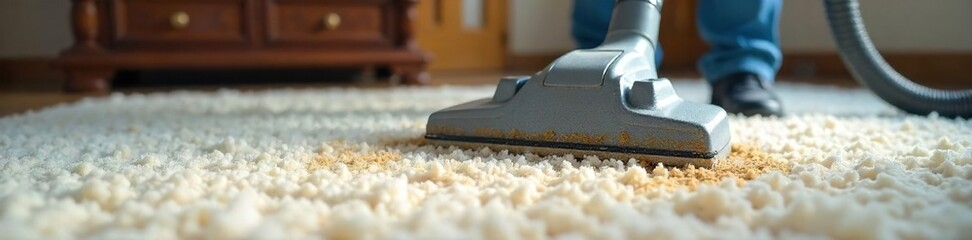
Carpet stains are a common issue in both residential and commercial spaces. Carpets are designed to provide comfort and warmth, but their fibers easily trap liquids, dirt, and debris. Spills from food, drinks, and everyday activities can quickly seep into the carpet surface and padding below. Even when addressed promptly, some stains leave behind residue that becomes more visible over time.
Stains are not all the same. Some are water based and easier to remove, while others contain oils, dyes, or proteins that bond tightly to carpet fibers. Foot traffic can push these substances deeper into the carpet, making removal more challenging. Understanding how stains form helps explain why proper cleaning methods are essential for preserving the appearance and lifespan of carpeted floors. Visit www.dustintimecleaners.com to learn more.
The Importance of Prompt Stain Treatment
Acting quickly is one of the most effective ways to prevent permanent carpet stains. Fresh spills are easier to remove because the substance has not yet fully bonded to the fibers. When stains are left untreated, they can oxidize, darken, and spread, making them much harder to clean.
Prompt treatment also helps prevent odors and bacteria buildup. Moisture trapped in carpet fibers can create an environment where unwanted smells develop. Over time, untreated stains can attract dirt, causing the affected area to look darker than the surrounding carpet. Addressing stains as soon as possible helps maintain a consistent appearance and healthier indoor conditions.
Common Types of Carpet Stains
Carpet stains come from many sources, each requiring a different approach. Food and beverage spills often contain sugars, dyes, and acids that discolor fibers. Pet related stains introduce proteins and bacteria that can cause lingering odors if not treated correctly. Grease and oil based stains cling to fibers and repel water, making simple cleaning methods ineffective.
Mud and soil stains are another common issue, especially in high traffic areas. These stains may appear harmless at first but can grind abrasive particles into the carpet over time. Ink and cosmetic stains are particularly stubborn due to their strong pigments. Recognizing the type of stain is essential for choosing the correct removal technique.
Effective Carpet Stain Removal Methods
Successful carpet stain removal relies on using the right method for the specific type of stain. Blotting is a critical first step, as rubbing can spread the stain and damage fibers. Using clean absorbent materials helps lift excess liquid without pushing it deeper into the carpet.
Cleaning solutions should be applied carefully and tested on a small area first. Some stains respond well to mild cleaning agents, while others require specialized treatments. The key is patience and repetition rather than aggressive scrubbing. Allowing cleaning solutions time to work helps break down the stain so it can be lifted safely from the fibers.
The Role of Professional Carpet Cleaning
While basic stains can sometimes be addressed with household methods, professional carpet stain removal offers deeper and more reliable results. Professional cleaning techniques are designed to reach deep into carpet fibers and padding where household tools cannot. This thorough approach helps remove not only visible stains but also hidden residue that can cause reappearing discoloration.
Professional cleaning also restores carpet texture and appearance. Over time, stains and dirt can cause fibers to mat down, making carpets look worn. Advanced cleaning equipment lifts fibers while removing contaminants, helping carpets look fresher and more uniform. This level of care extends the life of carpet and improves overall cleanliness.
Preventing Future Carpet Stains
Prevention plays a major role in maintaining clean carpets. Regular vacuuming removes dirt and debris before it becomes embedded in the fibers. Using entry mats reduces the amount of soil tracked indoors, especially in high traffic areas. Prompt attention to spills prevents liquids from settling and spreading.
Protective treatments can also help repel stains by creating a barrier on carpet fibers. These treatments make it easier to clean up spills before they cause lasting damage. Establishing routine cleaning habits reduces the likelihood of stubborn stains and keeps carpets looking their best for longer periods.
Health Benefits of Clean Carpets
Clean carpets contribute to a healthier indoor environment. Stains often trap allergens, dust, and bacteria that can affect air quality. When carpets are properly cleaned, these contaminants are removed, reducing the risk of respiratory irritation and allergic reactions.
Odors caused by spills and moisture can also impact comfort and well being. Effective stain removal eliminates odor sources rather than masking them. This creates a fresher environment that feels cleaner and more inviting. Maintaining clean carpets supports both physical comfort and peace of mind.
Challenges in Removing Set In Stains
Set in stains present unique challenges because they have had time to bond with carpet fibers. Heat, foot traffic, and improper cleaning attempts can make these stains even more difficult to remove. Some stains may appear lighter after cleaning but resurface later due to residue left beneath the surface.
Addressing set in stains requires careful treatment and often multiple cleaning steps. Deep extraction techniques help flush out contaminants from the carpet padding. Professional experience is especially valuable in these cases, as improper methods can permanently damage carpet fibers or spread the stain further.
Carpet Care and Long Term Maintenance
Long term carpet care goes beyond stain removal. Regular maintenance keeps carpets looking uniform and extends their usable life. Routine deep cleaning removes accumulated dirt that causes wear and dullness. This helps preserve the carpet’s original color and texture.
Consistent care also makes future stain removal easier. Carpets that are regularly cleaned do not allow stains to settle as deeply. This proactive approach saves time and expense over the life of the carpet. Proper maintenance ensures that carpets remain an asset rather than a source of frustration.
Choosing the Right Approach for Your Carpet
Every carpet is different, and cleaning methods should match the carpet material and condition. Some fibers are more delicate and require gentle treatment, while others can withstand deeper cleaning. Understanding carpet type helps prevent damage and ensures effective stain removal.
Professional guidance can be valuable when stains are severe or recurring. A tailored approach addresses the specific needs of the carpet and the type of staining involved. This customized care produces better results than one size fits all solutions.
Final Thoughts
Carpet stain removal is an essential part of maintaining clean, comfortable, and healthy indoor spaces. From fresh spills to stubborn set in stains, proper techniques make a significant difference in appearance and longevity. Prompt action, correct methods, and regular maintenance all contribute to better outcomes. When handled with care and expertise, carpet stain removal restores freshness, protects investment, and enhances the overall quality of any environment.