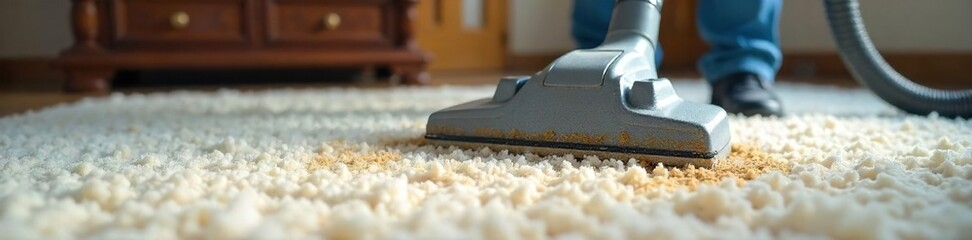
Carpet Stain Removal Techniques for Cleaner and Healthier Floors

Carpet Stain Removal

Carpet stains are a common issue in both residential and commercial spaces. Carpets are designed to provide comfort and warmth, but their fibers easily trap liquids, dirt, and debris. Spills from food, drinks, and everyday activities can quickly seep into the carpet surface and padding below. Even when addressed promptly, some stains leave behind residue that becomes more visible over time.

Stains are not all the same. Some are water based and easier to remove, while others contain oils, dyes, or proteins that bond tightly to carpet fibers. Foot traffic can push these substances deeper into the carpet, making removal more challenging. Understanding how stains form helps explain why proper cleaning methods are essential for preserving the appearance and lifespan of carpeted floors. Visit www.dustintimecleaners.com to learn more.

The Importance of Prompt Stain Treatment

Acting quickly is one of the most effective ways to prevent permanent carpet stains. Fresh spills are easier to remove because the substance has not yet fully bonded to the fibers. When stains are left untreated, they can oxidize, darken, and spread, making them much harder to clean.

Prompt treatment also helps prevent odors and bacteria buildup. Moisture trapped in carpet fibers can create an environment where unwanted smells develop. Over time, untreated stains can attract dirt, causing the affected area to look darker than the surrounding carpet. Addressing stains as soon as possible helps maintain a consistent appearance and healthier indoor conditions.

Common Types of Carpet Stains

Carpet stains come from many sources, each requiring a different approach. Food and beverage spills often contain sugars, dyes, and acids that discolor fibers. Pet related stains introduce proteins and bacteria that can cause lingering odors if not treated correctly. Grease and oil based stains cling to fibers and repel water, making simple cleaning methods ineffective.

Mud and soil stains are another common issue, especially in high traffic areas. These stains may appear harmless at first but can grind abrasive particles into the carpet over time. Ink and cosmetic stains are particularly stubborn due to their strong pigments. Recognizing the type of stain is essential for choosing the correct removal technique.

Effective Carpet Stain Removal Methods

Successful carpet stain removal relies on using the right method for the specific type of stain. Blotting is a critical first step, as rubbing can spread the stain and damage fibers. Using clean absorbent materials helps lift excess liquid without pushing it deeper into the carpet.

Cleaning solutions should be applied carefully and tested on a small area first. Some stains respond well to mild cleaning agents, while others require specialized treatments. The key is patience and repetition rather than aggressive scrubbing. Allowing cleaning solutions time to work helps break down the stain so it can be lifted safely from the fibers.

The Role of Professional Carpet Cleaning

While basic stains can sometimes be addressed with household methods, professional carpet stain removal offers deeper and more reliable results. Professional cleaning techniques are designed to reach deep into carpet fibers and padding where household tools cannot. This thorough approach helps remove not only visible stains but also hidden residue that can cause reappearing discoloration.

Professional cleaning also restores carpet texture and appearance. Over time, stains and dirt can cause fibers to mat down, making carpets look worn. Advanced cleaning equipment lifts fibers while removing contaminants, helping carpets look fresher and more uniform. This level of care extends the life of carpet and improves overall cleanliness.

Preventing Future Carpet Stains

Prevention plays a major role in maintaining clean carpets. Regular vacuuming removes dirt and debris before it becomes embedded in the fibers. Using entry mats reduces the amount of soil tracked indoors, especially in high traffic areas. Prompt attention to spills prevents liquids from settling and spreading.

Protective treatments can also help repel stains by creating a barrier on carpet fibers. These treatments make it easier to clean up spills before they cause lasting damage. Establishing routine cleaning habits reduces the likelihood of stubborn stains and keeps carpets looking their best for longer periods.

Health Benefits of Clean Carpets

Clean carpets contribute to a healthier indoor environment. Stains often trap allergens, dust, and bacteria that can affect air quality. When carpets are properly cleaned, these contaminants are removed, reducing the risk of respiratory irritation and allergic reactions.

Odors caused by spills and moisture can also impact comfort and well being. Effective stain removal eliminates odor sources rather than masking them. This creates a fresher environment that feels cleaner and more inviting. Maintaining clean carpets supports both physical comfort and peace of mind.

Challenges in Removing Set In Stains

Set in stains present unique challenges because they have had time to bond with carpet fibers. Heat, foot traffic, and improper cleaning attempts can make these stains even more difficult to remove. Some stains may appear lighter after cleaning but resurface later due to residue left beneath the surface.

Addressing set in stains requires careful treatment and often multiple cleaning steps. Deep extraction techniques help flush out contaminants from the carpet padding. Professional experience is especially valuable in these cases, as improper methods can permanently damage carpet fibers or spread the stain further.

Carpet Care and Long Term Maintenance

Long term carpet care goes beyond stain removal. Regular maintenance keeps carpets looking uniform and extends their usable life. Routine deep cleaning removes accumulated dirt that causes wear and dullness. This helps preserve the carpet’s original color and texture.

Consistent care also makes future stain removal easier. Carpets that are regularly cleaned do not allow stains to settle as deeply. This proactive approach saves time and expense over the life of the carpet. Proper maintenance ensures that carpets remain an asset rather than a source of frustration.

Choosing the Right Approach for Your Carpet

Every carpet is different, and cleaning methods should match the carpet material and condition. Some fibers are more delicate and require gentle treatment, while others can withstand deeper cleaning. Understanding carpet type helps prevent damage and ensures effective stain removal.

Professional guidance can be valuable when stains are severe or recurring. A tailored approach addresses the specific needs of the carpet and the type of staining involved. This customized care produces better results than one size fits all solutions.

Final Thoughts

Carpet stain removal is an essential part of maintaining clean, comfortable, and healthy indoor spaces. From fresh spills to stubborn set in stains, proper techniques make a significant difference in appearance and longevity. Prompt action, correct methods, and regular maintenance all contribute to better outcomes. When handled with care and expertise, carpet stain removal restores freshness, protects investment, and enhances the overall quality of any environment.


The Complete Guide to Residential Construction: From Planning to Final Inspection

Residential construction is a complex and multifaceted process that requires careful planning, coordination, and execution. From the initial concept to the final inspection, each stage of GK Construction Solutions plays a critical role in ensuring that the finished home is safe, functional, and aesthetically appealing. Whether building a new home, adding an extension, or undertaking a significant renovation, understanding the construction process helps homeowners, investors, and contractors manage costs, timelines, and quality effectively.

construction

This comprehensive guide will explore every phase of residential construction, providing insights into planning, design, permitting, construction, and final inspection. By breaking down the process into manageable steps, homeowners can gain a clear understanding of what to expect and how to make informed decisions that impact both the functionality and long-term value of their property.

Stage 1: Initial Planning and Budgeting

The first step in any residential construction project is careful planning. This stage sets the foundation for the entire project, determining scope, budget, and feasibility. Without a well-defined plan, projects are prone to delays, cost overruns, and design compromises.

Key Components of Planning

  1. Establishing Goals and Requirements: Homeowners should start by identifying their needs, preferences, and long-term objectives. Considerations may include the number of bedrooms, bathrooms, layout, energy efficiency, and style. Defining clear goals ensures that the design process aligns with personal or family priorities.
  2. Budgeting: Setting a realistic budget is crucial. This includes not only construction costs but also permits, design fees, landscaping, furnishings, and contingency funds for unexpected issues. A well-prepared budget helps avoid financial stress and ensures that project decisions remain within feasible limits.
  3. Site Selection and Analysis: The location and condition of the property influence design, foundation requirements, and construction methods. Evaluating soil quality, topography, drainage, access, and zoning restrictions helps identify potential challenges and prevents future structural or regulatory issues.
  4. Timeline Estimation: Planning includes establishing a preliminary project timeline. While exact durations depend on project size and complexity, estimating time for each phase—from design to final inspection—helps homeowners prepare for the overall commitment.

Stage 2: Design and Architectural Planning

Once initial planning is complete, the design phase begins. This stage transforms ideas into detailed plans that guide construction while ensuring compliance with building codes and regulations.

Design Considerations

  1. Architectural Design: Architects or designers develop floor plans, elevations, and 3D models to visualize the layout, flow, and aesthetic appeal of the home. The design phase often includes multiple revisions to balance functionality, style, and budget.
  2. Structural Planning: Structural engineers may be involved in designing foundations, load-bearing walls, beams, and roofing systems. Ensuring the home’s structural integrity is vital to long-term durability and safety.
  3. Mechanical, Electrical, and Plumbing (MEP) Systems: Proper planning of MEP systems is crucial to avoid costly changes during construction. Decisions on HVAC, electrical wiring, plumbing layouts, and energy-efficient systems are integrated into the design.
  4. Material Selection: Designers and homeowners select materials for finishes, flooring, cabinetry, roofing, and exterior facades. Material choices impact both aesthetics and long-term maintenance costs.
  5. Permit and Approval Preparation: Detailed plans are submitted to local authorities for building permits, zoning approval, and environmental compliance. Approval timelines can vary depending on jurisdiction and project scope.

Stage 3: Site Preparation and Foundation Work

After obtaining permits and approvals, construction begins with site preparation. This phase ensures the property is ready for building and that the foundation will provide a stable base.

Key Steps in Site Preparation

  1. Clearing and Excavation: Trees, shrubs, rocks, and debris are removed to create a level construction site. Excavation may be required for basements, foundations, or utility lines.
  2. Grading and Drainage: Proper grading directs water away from the foundation to prevent flooding and soil erosion. Installing drainage systems ensures long-term soil stability and minimizes foundation issues.
  3. Utility Connections: Preliminary connections for water, electricity, gas, and sewer systems may be established during site preparation. Early coordination with utility providers prevents delays during later construction stages.
  4. Foundation Installation: The foundation is critical for the structural integrity of the home. Options include slab-on-grade, crawlspace, or full basement foundations. Proper excavation, formwork, and reinforcement with steel or rebar ensure durability and stability.

Stage 4: Framing and Structural Construction

Framing transforms the foundation into the skeleton of the home. This stage defines the layout, height, and overall shape of the structure.

Framing Essentials

  1. Wall and Floor Framing: Wood or steel framing creates load-bearing walls and floor joists. Precise measurements and alignment are crucial to prevent uneven walls, sloping floors, and structural weaknesses.
  2. Roof Framing: Roof trusses or rafters are installed to support roofing materials and define the roofline. Proper installation ensures water drainage, structural support, and insulation placement.
  3. Sheathing and Exterior Walls: Exterior sheathing protects the interior from weather and provides a surface for siding or masonry. Moisture barriers, insulation, and structural panels are integrated during this stage.
  4. Window and Door Openings: Framing for windows and doors ensures proper alignment and supports load distribution. Accurate installation prevents air leaks, water intrusion, and future structural issues.

Stage 5: Mechanical, Electrical, and Plumbing (MEP) Installation

Once the framing is complete, the home’s essential systems are installed. Proper planning and coordination are critical to avoid conflicts and ensure efficiency.

MEP Considerations

  1. Plumbing: Pipes for water supply, drainage, and sewage systems are installed, along with fixtures and connections. Proper slope, insulation, and leak prevention are critical.
  2. Electrical Wiring: Wiring is installed for lighting, outlets, appliances, and smart home systems. Compliance with safety codes prevents hazards and ensures long-term functionality.
  3. HVAC Systems: Heating, ventilation, and air conditioning systems are installed to maintain indoor comfort. Ductwork, thermostats, and energy-efficient systems are integrated during this phase.
  4. Inspection Coordination: Many jurisdictions require inspection of MEP systems before closing walls. Early inspections prevent costly rework and ensure compliance with building codes.

Stage 6: Interior and Exterior Finishes

Once structural and MEP work is complete, the home is ready for finishes that define its style, comfort, and usability.

Interior Finishes

  1. Drywall and Painting: Walls and ceilings are installed and finished with plaster or drywall, followed by priming and painting. Smooth surfaces, proper texture, and high-quality paint enhance the home’s aesthetic appeal.
  2. Flooring: Options include hardwood, tile, carpet, laminate, or polished concrete. Flooring is installed according to the design plan and coordinated with other finishes.
  3. Cabinetry and Fixtures: Kitchen and bathroom cabinets, countertops, sinks, and faucets are installed, along with lighting fixtures, closets, and other built-ins.
  4. Interior Trim: Baseboards, moldings, doors, and window casings are installed to add finishing touches and detail.

Exterior Finishes

  1. Siding and Masonry: Exterior walls are finished with brick, stone, stucco, or siding materials. Proper installation ensures durability, weather resistance, and visual appeal.
  2. Roofing: Shingles, tiles, or metal roofing are installed to protect the home and complete its exterior appearance.
  3. Landscaping and Driveways: Hardscaping, planting, pathways, and driveways enhance curb appeal and property usability.
  4. Exterior Fixtures: Lighting, irrigation systems, and outdoor living features, such as decks or patios, are installed to complement the home’s functionality and aesthetic.

Stage 7: Final Inspection and Handover

The final stage of residential construction ensures that the home is safe, compliant, and ready for occupancy.

Key Elements of Final Inspection

  1. Building Code Compliance: Inspectors verify that construction meets local building codes, including structural integrity, electrical, plumbing, and mechanical systems.
  2. Safety Checks: Smoke detectors, carbon monoxide detectors, handrails, and fire safety systems are evaluated for functionality and compliance.
  3. Quality Assurance: Workmanship is reviewed, including finishes, flooring, cabinetry, and exterior details. Any deficiencies are documented and corrected before occupancy.
  4. Occupancy Certification: Once the home passes all inspections, a certificate of occupancy is issued, confirming that the property is safe and ready to be inhabited.

Residential construction is a multifaceted process that requires careful planning, execution, and inspection at every stage. From initial budgeting and design to foundation work, framing, MEP installation, finishes, and final inspection, each phase plays a critical role in ensuring the home is safe, functional, and visually appealing.

By understanding the construction process, homeowners and investors can make informed decisions, coordinate effectively with contractors, manage costs, and ensure quality outcomes. A successful residential construction project balances careful planning, expert execution, and attention to detail, resulting in a home that meets immediate needs while maintaining long-term durability and value.

Investing in residential construction is more than creating a living space—it is a commitment to building a structure that is safe, efficient, and adaptable to the future. Through meticulous planning and professional execution, homeowners can turn their vision into a well-constructed, fully functional, and aesthetically pleasing property that serves as a lasting investment for years to come.

Hidden Health Risks of Ignoring Pest Problems Inside Your Home

Many homeowners underestimate how deeply pest problems can affect everyday life. At first, a few insects or occasional rodent sightings may seem like minor inconveniences, easy to ignore until they become more noticeable. However, pests rarely remain small problems for long. When infestations go untreated, they can quietly introduce a wide range of health risks that impact indoor air quality, food safety, and overall well-being. Understanding these hidden dangers is essential for maintaining a safe and comfortable living environment.

One of the most significant health risks associated with pests is contamination. Insects and rodents often travel through unsanitary areas before entering living spaces, carrying bacteria and microscopic debris on their bodies. As they move across surfaces, they can leave behind pathogens that are invisible to the eye. Kitchens, food storage areas, and even bedrooms may become affected without obvious warning signs. Over time, this contamination can increase the risk of gastrointestinal issues and other illnesses, particularly when pests come into contact with food preparation surfaces or stored items. Consult with Pest Control Flower Mound TX for expert guidance.

pest control

Air quality is another area that suffers when pest activity is ignored. Many people do not realize that pest waste, shed skins, and nesting materials can break down into tiny airborne particles. These particles may circulate through ventilation systems and settle into carpets, furniture, and bedding. Individuals who are sensitive to allergens may experience sneezing, coughing, or irritation without realizing that pests are contributing to the problem. In severe cases, prolonged exposure to these airborne contaminants can worsen respiratory discomfort and make indoor environments feel less fresh and breathable.

Ignoring pest issues can also lead to unexpected skin reactions. Certain insects are known for leaving behind droppings or secretions that trigger irritation, while bites and stings may cause swelling or itching. Even pests that do not bite directly can contribute to skin problems through indirect exposure to allergens. When infestations grow unnoticed, the likelihood of repeated contact increases, turning occasional irritation into a recurring health concern. Maintaining a pest-free environment helps reduce the risk of these uncomfortable and sometimes persistent reactions.

Beyond physical symptoms, pest problems can take a toll on mental well-being. Living in a space where pests are present often creates stress, anxiety, and disrupted sleep. The constant awareness of hidden infestations may lead to feelings of discomfort or embarrassment, particularly when hosting guests or sharing living spaces with others. Over time, this emotional strain can affect productivity and overall quality of life. Addressing pest issues promptly not only protects physical health but also supports a sense of security and peace within the home.

Food safety becomes a major concern when pests are allowed to thrive indoors. Even sealed containers may not provide complete protection against determined pests. Rodents and certain insects are capable of chewing through packaging or contaminating surfaces where food is stored. Once pests have accessed these areas, the risk of consuming contaminated food increases. Proper pest management ensures that food storage areas remain sanitary, reducing the chances of exposure to harmful bacteria that may otherwise go unnoticed.

Structural damage caused by pests can indirectly create health hazards as well. Some pests chew through insulation, wiring, or wooden components, potentially exposing occupants to safety risks. Damaged insulation may allow moisture to accumulate, creating conditions that encourage mold growth. Mold spores can contribute to respiratory issues and unpleasant odors, further impacting indoor air quality. By addressing pest problems early, homeowners can prevent the chain reaction of structural damage that often leads to secondary health concerns.

To better understand the hidden health effects, consider the following ways pests influence indoor environments:

  1. Spread of Bacteria and Allergens: Pests often carry microorganisms that contaminate surfaces and contribute to allergy symptoms.
  2. Increased Respiratory Irritation: Waste particles and debris released by pests may circulate through the air, affecting breathing comfort.
  3. Food Contamination Risks: Exposure to pest droppings or saliva can compromise the safety of stored food items.
  4. Sleep Disruption: Noise and movement caused by pests can interfere with rest, leading to fatigue and stress.

Children and older adults are particularly vulnerable to pest-related health risks. Younger individuals may have developing immune systems that are more sensitive to allergens, while older adults may experience heightened reactions to contaminated air or surfaces. Pets can also be affected by pest activity, as they may come into contact with insects or rodents and carry contaminants throughout the home. Creating a pest-free environment helps protect every member of the household, including those who may be more susceptible to health complications.

Another overlooked risk is the buildup of moisture caused by certain infestations. Pests that nest in hidden areas may damage ventilation systems or create blockages that trap humidity. High moisture levels encourage the growth of mildew and bacteria, which can worsen allergies and contribute to unpleasant odors. Regular inspections and preventive maintenance reduce the likelihood of moisture-related problems, supporting a cleaner and healthier indoor atmosphere.

Ignoring pest problems may also lead to the overuse of ineffective DIY solutions. Many homeowners attempt to address infestations with store-bought treatments without fully understanding the extent of the problem. This approach can sometimes worsen health risks if chemicals are used improperly or applied in areas where ventilation is limited. Professional pest management focuses on targeted strategies that prioritize safety while addressing the root cause of infestations, minimizing unnecessary exposure to harsh substances.

Long-term exposure to pest activity can even influence daily habits and lifestyle choices. For example, individuals may avoid using certain rooms or storing food in specific areas due to fear of contamination. Over time, these adjustments can disrupt routines and reduce the functionality of living spaces. Taking proactive steps to eliminate pests allows homeowners to reclaim their environments and use every part of the home with confidence.

Preventive measures play a crucial role in reducing health risks associated with pests. While professional assistance is often recommended for larger infestations, homeowners can also take practical steps to maintain a healthier environment:

  1. Maintain Clean Surfaces: Regular cleaning removes crumbs and debris that attract pests and contribute to contamination.
  2. Seal Entry Points: Closing gaps around doors, windows, and utility lines helps prevent pests from entering living spaces.
  3. Manage Moisture Levels: Proper ventilation and timely repairs reduce the damp conditions that many pests prefer.
  4. Monitor Storage Areas: Checking cabinets, closets, and basements regularly helps detect early signs of pest activity.

Consistency is key when it comes to minimizing pest-related health risks. A single treatment or deep cleaning session may not be enough to prevent future infestations. Instead, ongoing awareness and maintenance create an environment that discourages pests from returning. This proactive approach reduces the chances of recurring health issues and helps maintain a stable, comfortable living space.

Professional pest control services offer an additional layer of protection by combining inspection, treatment, and prevention strategies. Technicians are trained to identify hidden nesting areas, evaluate risk factors, and recommend solutions tailored to each home’s unique conditions. Their expertise helps ensure that infestations are addressed thoroughly, reducing the likelihood of lingering health hazards. By integrating professional guidance with everyday preventive habits, homeowners can create a strong defense against pests and the risks they bring.

In conclusion, the health risks associated with ignoring pest problems extend far beyond occasional discomfort. From contaminated surfaces and poor air quality to emotional stress and structural damage, untreated infestations can impact nearly every aspect of home life. Recognizing these hidden dangers is the first step toward creating a safer and healthier environment. Through consistent maintenance, informed prevention strategies, and professional support when needed, homeowners can protect their living spaces from the unseen effects of pest activity. A proactive approach not only eliminates current problems but also safeguards long-term health, ensuring that the home remains a place of comfort, cleanliness, and peace of mind.