ASAM Levels of Care

ASAM levels of care are guidelines that help providers determine a person’s level of treatment. They utilize a person-centered approach that considers clinical severity, social and environmental needs, and recovery goals.

The ASAM criteria currently are the most widely used patient placement criteria for treatment and Medicare reimbursement. The criteria include a biomedical dimension that explores a person’s withdrawal potential and medical complications. For more information, contact A Better Life today.

Level I – Outpatient

ASAM care

The ASAM Levels of Care are used by clinicians to identify the appropriate level of treatment for a client with substance use disorder. The level of care is determined based on the severity of a client’s needs and the likelihood that they will achieve recovery in the chosen level of treatment. Levels of Care are based on a multidimensional patient assessment that considers a variety of factors including the patient’s needs, obstacles, and liabilities as well as strengths, resources, and support structure. Formerly known as the ASAM Patient Placement Criteria, The ASAM Levels of Care are currently being used by many state agencies to help organize their addiction treatment systems and improve care delivery.

Once a level of care has been determined, a person’s clinical needs are matched to the ASAM LOC continuum of services, which includes outpatient, residential, and medically managed services. DHCS requires that licensed AOD treatment programs obtain either a DHCS Level of Care Designation or an ASAM LOC Certification consistent with all of their program services. This includes level I – Outpatient Care, levels II and III – Partial Hospitalization Programs and Intensive Outpatient Programs, and Level IV – Recovery Residence.

Each year, the ASAM Level of Care Certification Program conducts an independent review and verification of treatment programs based on The ASAM Criteria. This is the first program of its kind to provide an evaluation of a treatment program’s capacity to deliver services consistent with The ASAM Criteria. The certification is administered by ASAM in partnership with CARF International.

Throughout their treatment, patients should be regularly reassessed by their providers to determine their progress and whether they need to transition to a more or less intensive level of care. A reassessment should also be conducted for any new signs, symptoms or concerns that may arise.

A strength-based multidimensional patient assessment is essential to identifying the appropriate level of care for each individual. The ASAM Level of Care Assessment Interview Guide, Fourth Edition, provides a standardized tool to assist clinicians in conducting a quality ASAM patient assessment. The Guide incorporates the core actionable components of The ASAM Criteria and helps to streamline the process of developing a individualized treatment plan for each patient. The Guide is free for download and available to all licensed clinicians.

Level II – Partial Hospitalization

As the next level up from outpatient treatment, partial hospitalization programs (PHP) offer a structured environment for those with serious substance use or co-occurring mental health issues. During the day, clients attend therapy sessions and participate in skills-building activities. At night, they return home or to a recovery residence where they can continue with daily living activities and maintain some independence in their lives.

The program is structured but not as intensive as a residential setting. Often, PHPs operate on a 5-day or 7-day schedule and offer 5 to 6 hours of programming per day. Some states may classify this level of care as inpatient rather than outpatient.

Clients who need PHP services may be transitioned from outpatient or residential treatment, and the length of stay can vary based on needs. The facility will perform a multidimensional assessment to determine the appropriate level of care for each individual. This includes assessing the clinical severity of the person’s condition, as well as their social and living situation.

These assessments are a core component of The ASAM Criteria, and they help determine the best level of care for each person. ASAM also offers a series of Assessment Guides that can be used to support these multidimensional assessments and provide guidance on how the evaluation process should unfold. These include the ASAM Dimensional Admission Criteria, the Treatment Planning Assessment, and repeated assessments as a person moves through the levels of care.

In addition, ASAM and UCLA are developing a tool called the ASAM-UCLA Dimensional Admission Criteria Navigator that will allow managed care organizations to leverage The ASAM Criteria in their utilization review processes. This will enable them to work with clinicians to ensure that plan participants are receiving the least intensive and most effective treatment possible.

For more information about these and other resources, visit the ASAM website. ASAM encourages providers, payers and managed care entities to utilize these tools as part of an integrated model of treatment that promotes a continuum of care and helps people find the right level of care for them.

Level III – Residential

Level III – Residential Care is a full spectrum of assistance, including housing, supervision, support services and medication management. This is often the most intensive of the levels of care and requires a commitment to a long-term recovery residence. Many of these facilities promote a person-centered approach to addiction treatment and offer services like support groups, occupational therapy and education on how to manage relapse prevention and reintegration into the community.

As a person progresses through their recovery, they are regularly reassessed. The Transition and Continued Service Criteria of The ASAM Criteria are used to determine if the person is ready to move to a lower level of care, requires a higher level of care or should remain at their current level of care. This is an important component of the Continuum of Care and helps to ensure that the treatment plan continues to match the person’s needs.

In addition to the Six Dimensions of Addiction Treatment, The ASAM Criteria now includes a seventh dimension called “Readiness to Change” to assess a person’s readiness for change and their capacity to make the necessary changes in their life. A new Assessment Guide has been developed to standardize the clinical interview and collect just enough information across the dimensions to make a level of care recommendation. It is available as a free download for clinicians.

ASAM has also launched a free online resource to help payers and managed care entities implement The ASAM Criteria. This tool supports the utilization review process by facilitating the identification of an appropriate level of care for the person seeking treatment and allows them to be referred to a program that is certified to deliver that level of care.

The tool is a simple, intuitive way to identify the appropriate level of care for people seeking help for addiction and other complex health conditions. It also helps to facilitate a person-centered approach to care by supporting the identification of individual goals and priorities.

Level IV – Intensive Outpatient

Often referred to as “inpatient” or “residential treatment”, this level of care is designed for patients with severe functional impairments and who are struggling to maintain recovery at home. Residential treatment programs provide round-the-clock monitoring and intensive treatment in a structured environment. This level of care includes medical detox, as well as individual and group therapy, family counseling and life skills training. Residential treatment programs can also address co-occurring mental health disorders, such as anxiety and depression.

This is the highest level of care that ASAM defines. It is for patients who are not making progress at lower levels of care, have recurrent relapses or have significant clinical risk. This level of care provides 24-hour treatment and high-level clinical monitoring, including drug and alcohol detox and medication-assisted treatments for substance and/or alcohol use disorder.

Intensive outpatient treatment, also known as IOP, is a step-down from residential treatment. It allows clients to continue living at home and pursuing work and family responsibilities while getting intensive treatment for addiction. IOPs usually include weekly sessions with your therapist, group therapy and family support groups. It is recommended that IOP is used in conjunction with other levels of care as an stepping stone to a full recovery program.

At each point in the continuum of care, a patient is regularly reassessed for treatment progress and to determine if they need a transition to less intensive, require more intense services or should remain at their current level of service. These reassessments are done using the ASAM Level of Care Standards, which were developed and updated in The ASAM Criteria, Fourth Edition.

These standards allow clinicians to assess the needs of their patients, match them to a suitable level of care and deliver outcome-oriented addiction treatment. Managed care organizations can license The ASAM Criteria Dimensional Admission Criteria to apply as medical necessity criteria for their plan participants.
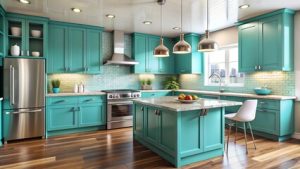
Cabinet Refinishing and Minimalist Kitchen Design

cabinet refinishing

Using minimalist cabinetry, homeowners can streamline their kitchens to create an open environment that appears calming and efficient. This article will explore cabinet refinishing trends that align with minimalist design and highlight how this style can elevate a kitchen remodel.

Flat-panel doors are an essential component of minimalist designs, offering a sleek appearance that minimizes the visibility of hardware. Handleless cabinets further contribute to this aesthetic by eliminating the need for traditional handles. Visit San Jose Cabinet Refinishing for more information.

Natural Wood and Veneers

Wood and natural elements are essential to many design styles, including minimalist design. While solid-wood cabinetry is often associated with traditional and rustic design, a minimalist approach to interior design can showcase the beauty of these materials in a modern way. For example, white oak veneer offers a beautiful, neutral color palette and distinctive grain pattern that complements minimalist designs. Additionally, a smoked veneer has an earthy aesthetic that adds warmth and texture to a space.

Rather than using solid wood, veneer cabinets feature a thin layer of real hardwood bonded to a core material like plywood or medium-density fiberboard (MDF). These durable materials have been used in residential and commercial construction for decades. This process allows manufacturers to create high-quality, beautiful cabinets at a fraction of the cost of solid wood.

Veneer is also more durable than solid wood and less susceptible to warping or cracking. This makes it an ideal choice for kitchen cabinets, which are subject to moisture and heat. A vapor barrier is also recommended to help keep moisture from damaging the veneer and interior of the cabinet.

The type of veneer you choose will also impact the look of your cabinets. An open-pore veneer will have a low-shine finish that shows off the wood’s natural grain, while closed pore veneer has small holes filled in to make it glossy. You can also select a figured veneer, which features dramatic wood patterns, or a stained veneer that has been colored with water-based stain.

Other features to consider when selecting veneer are the grain direction and layup method. Grain direction refers to the way the natural grain of the wood runs. Horizontal grain offers a clean, linear appearance that is well-suited for minimalist design, while vertical grain creates a more traditional aesthetic. In addition, you can also select a veneer that is embossed or carved to add visual interest.

Other factors to consider when choosing a veneer are the color and finish, thickness, and species. Light stains and finishes are easier to maintain than dark colors, which require more frequent refinishing. Additionally, you can select a natural or prefinished veneer, which will be protected with a UV-protective coating that helps protect the surface from sun damage and keep it looking beautiful for longer.

Flat-Panel Doors

Minimalist cabinetry elevates the aesthetic of modern kitchens by eliminating visual clutter and integrating efficient storage solutions. Whether homeowners choose handleless designs or flat-panel doors, these cabinets can be integrated alongside neutral color palettes and high-quality materials to foster a calm environment that meets the needs of daily living. For instance, integrating hidden storage solutions like pull-out shelves and drawers beneath the sink can optimize space while providing easy access to cooking tools and supplies. Incorporating these features into minimalist cabinetry can also maximize the efficiency of a room, making it easier to clean and maintain.

For those seeking an even sleeker look, frameless flat-panel doors are available. These doors are designed without visible door frames for a seamless appearance that complements contemporary design. For added style, these doors can be finished in a matte finish that absorbs light rather than reflecting it, creating a soft and understated look. Alternatively, these doors can be finished in glossy options to provide additional contrast and interest.

Another benefit of flat panel doors is their ease of maintenance. Their smooth surfaces are less likely to collect dust and dirt than textured or carved door styles, and they can be cleaned quickly with a damp cloth. These doors are also often built with durable passage locks and concealed hinges to further enhance their durability and functionality.

If you’re looking to add a bit of visual interest, consider adding aluminum inserts into your flat-panel doors. These inserts can be arranged in horizontal or vertical configurations to create an eye-catching accent that complements both minimalist and transitional interior designs. Incorporate these accents into the center of the door or on either side to create a balanced look that is both contemporary and timeless.

As a result of their sleek aesthetic and efficient functionality, minimalist cabinetry is becoming increasingly popular for use throughout the home. In addition to the kitchen, these cabinets can be integrated into bedrooms, bathrooms, and home offices to create a cohesive and streamlined look. Minimalist bathroom cabinetry can also incorporate hidden storage solutions that maximize space and enhance the functionality of a room, while coordinating with other minimalist design elements like natural stone countertops and white-painted walls.

Handleless Cabinets

Minimalist kitchen cabinet ideas incorporate durable options that maximize storage and functionality while maintaining a sleek aesthetic. These designs often feature streamlined appearances that complement modern lighting fixtures and create a seamless integration between the kitchen and adjoining living areas. This approach addresses the needs of homeowners seeking beauty and efficiency in their home renovation projects.

Incorporating handleless cabinets into a minimalist design provides uninterrupted lines that align perfectly with monochrome color schemes and other contemporary aesthetics. They also work well with a variety of material options, including natural wood and veneers. Incorporating contrasting materials like a wooden countertop or a bold backsplash adds texture to the space while creating an attractive contrast with the sleek cabinetry.

A growing number of homeowners seek out environmentally friendly materials for their minimalist kitchen cabinetry projects. This trend is driven by a desire for a more sustainable environment, and many manufacturers now source their wood from responsibly managed forests. This is complemented by the use of low-VOC finishes that contribute to a healthy indoor air quality and enhance the minimalist aesthetic.

For minimalist kitchen cabinetry, a matte finish provides an elegant, understated aesthetic that works well with wood veneers and metal Gola profiles. Its smooth surface minimizes fingerprints, making it easy to maintain a clean and uncluttered appearance. Homeowners can enhance the look with a matte coating in soft neutrals, such as taupe and charcoal, or select glossy surfaces for a more vibrant aesthetic that coordinates with natural wood grain.

Another popular option for minimalist kitchen cabinets is a high-gloss finish, which accentuates the reflective surface of the cabinet fronts and reflects light to brighten the room. This finish is easy to keep clean and smudge-free, which makes it a great choice for busy households with active families. It also pairs well with a wide range of accent colors and finishes, including silver grays and blues, warm whites, and even greige, an up-and-coming blended shade that features the best of both neutrals.

True handleless cabinets rely on a recessed rail that runs along the edges of the cabinet doors and drawers. Retrofitting existing cabinetry into this style requires removing and cutting sections of the frame to install the rail, so it is typically not recommended for DIY remodels. Some manufacturers offer electric mechanisms that open the doors with a push, eliminating the need for hardware and enhancing the clean lines of minimalist kitchen cabinetry. However, these systems require specialized installation and complex electrical wiring.

Sustainable Materials

Minimalism embraces natural textures, and sustainable materials like wood, stone, and concrete align perfectly with this aesthetic. They feature neutral color palettes and a reduced environmental impact, balancing beauty with sustainability. Plus, they offer a seamless blend of form and function—an ideal solution for homeowners seeking an uncluttered, streamlined living space.

Lighter options like ash or birch add an airy feel to minimalist spaces, while richer hues like mahogany create a sophisticated vibe. Wood’s inherent versatility means it can stand alone or harmonize seamlessly with other elements in your home, such as a fireplace or hardwood floors.

For homeowners who wish to personalize their minimalist kitchens, incorporating open shelving allows them to showcase cherished dishware and decorative items without compromising the clean design. Similarly, integrating hidden storage solutions maximizes space while maintaining a clutter-free environment. This approach also encourages thoughtful organization, ensuring that every item displayed complements the overall aesthetic.

Many of these storage solutions are made from recycled materials, reducing the need for raw materials and minimizing waste. Others are made from repurposed glass, which requires less energy to produce than new glass and retains its strength and quality. In addition, some materials are harvested using eco-friendly methods that minimize the impact on ecosystems and reduce energy consumption.

Another important aspect of sustainability is the longevity of products. Sustainable materials like high-quality wood and stone are designed to last, minimizing the need for replacements over time. By contrast, lower-quality items may break or wear out quickly, creating a “throwaway culture” that contributes to unnecessary waste.

When shopping for cabinetry and other furniture, look for low-VOC finishes that eliminate harmful chemicals from your home’s air. This will protect your health and help preserve the integrity of your living spaces. Other sustainable choices include reusable fabrics like linen and cotton, which require minimal upkeep and are biodegradable. Finally, marble countertops are another popular choice that offer luxurious style and durability, as long as they are properly sealed to prevent scratches and acid damage.