Residential construction is a complex and multifaceted process that requires careful planning, coordination, and execution. From the initial concept to the final inspection, each stage of GK Construction Solutions plays a critical role in ensuring that the finished home is safe, functional, and aesthetically appealing. Whether building a new home, adding an extension, or undertaking a significant renovation, understanding the construction process helps homeowners, investors, and contractors manage costs, timelines, and quality effectively.
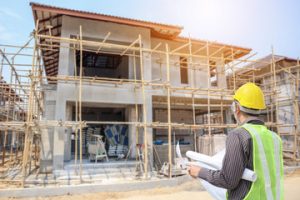
This comprehensive guide will explore every phase of residential construction, providing insights into planning, design, permitting, construction, and final inspection. By breaking down the process into manageable steps, homeowners can gain a clear understanding of what to expect and how to make informed decisions that impact both the functionality and long-term value of their property.
Stage 1: Initial Planning and Budgeting
The first step in any residential construction project is careful planning. This stage sets the foundation for the entire project, determining scope, budget, and feasibility. Without a well-defined plan, projects are prone to delays, cost overruns, and design compromises.
Key Components of Planning
- Establishing Goals and Requirements: Homeowners should start by identifying their needs, preferences, and long-term objectives. Considerations may include the number of bedrooms, bathrooms, layout, energy efficiency, and style. Defining clear goals ensures that the design process aligns with personal or family priorities.
- Budgeting: Setting a realistic budget is crucial. This includes not only construction costs but also permits, design fees, landscaping, furnishings, and contingency funds for unexpected issues. A well-prepared budget helps avoid financial stress and ensures that project decisions remain within feasible limits.
- Site Selection and Analysis: The location and condition of the property influence design, foundation requirements, and construction methods. Evaluating soil quality, topography, drainage, access, and zoning restrictions helps identify potential challenges and prevents future structural or regulatory issues.
- Timeline Estimation: Planning includes establishing a preliminary project timeline. While exact durations depend on project size and complexity, estimating time for each phase—from design to final inspection—helps homeowners prepare for the overall commitment.
Stage 2: Design and Architectural Planning
Once initial planning is complete, the design phase begins. This stage transforms ideas into detailed plans that guide construction while ensuring compliance with building codes and regulations.
Design Considerations
- Architectural Design: Architects or designers develop floor plans, elevations, and 3D models to visualize the layout, flow, and aesthetic appeal of the home. The design phase often includes multiple revisions to balance functionality, style, and budget.
- Structural Planning: Structural engineers may be involved in designing foundations, load-bearing walls, beams, and roofing systems. Ensuring the home’s structural integrity is vital to long-term durability and safety.
- Mechanical, Electrical, and Plumbing (MEP) Systems: Proper planning of MEP systems is crucial to avoid costly changes during construction. Decisions on HVAC, electrical wiring, plumbing layouts, and energy-efficient systems are integrated into the design.
- Material Selection: Designers and homeowners select materials for finishes, flooring, cabinetry, roofing, and exterior facades. Material choices impact both aesthetics and long-term maintenance costs.
- Permit and Approval Preparation: Detailed plans are submitted to local authorities for building permits, zoning approval, and environmental compliance. Approval timelines can vary depending on jurisdiction and project scope.
Stage 3: Site Preparation and Foundation Work
After obtaining permits and approvals, construction begins with site preparation. This phase ensures the property is ready for building and that the foundation will provide a stable base.
Key Steps in Site Preparation
- Clearing and Excavation: Trees, shrubs, rocks, and debris are removed to create a level construction site. Excavation may be required for basements, foundations, or utility lines.
- Grading and Drainage: Proper grading directs water away from the foundation to prevent flooding and soil erosion. Installing drainage systems ensures long-term soil stability and minimizes foundation issues.
- Utility Connections: Preliminary connections for water, electricity, gas, and sewer systems may be established during site preparation. Early coordination with utility providers prevents delays during later construction stages.
- Foundation Installation: The foundation is critical for the structural integrity of the home. Options include slab-on-grade, crawlspace, or full basement foundations. Proper excavation, formwork, and reinforcement with steel or rebar ensure durability and stability.
Stage 4: Framing and Structural Construction
Framing transforms the foundation into the skeleton of the home. This stage defines the layout, height, and overall shape of the structure.
Framing Essentials
- Wall and Floor Framing: Wood or steel framing creates load-bearing walls and floor joists. Precise measurements and alignment are crucial to prevent uneven walls, sloping floors, and structural weaknesses.
- Roof Framing: Roof trusses or rafters are installed to support roofing materials and define the roofline. Proper installation ensures water drainage, structural support, and insulation placement.
- Sheathing and Exterior Walls: Exterior sheathing protects the interior from weather and provides a surface for siding or masonry. Moisture barriers, insulation, and structural panels are integrated during this stage.
- Window and Door Openings: Framing for windows and doors ensures proper alignment and supports load distribution. Accurate installation prevents air leaks, water intrusion, and future structural issues.
Stage 5: Mechanical, Electrical, and Plumbing (MEP) Installation
Once the framing is complete, the home’s essential systems are installed. Proper planning and coordination are critical to avoid conflicts and ensure efficiency.
MEP Considerations
- Plumbing: Pipes for water supply, drainage, and sewage systems are installed, along with fixtures and connections. Proper slope, insulation, and leak prevention are critical.
- Electrical Wiring: Wiring is installed for lighting, outlets, appliances, and smart home systems. Compliance with safety codes prevents hazards and ensures long-term functionality.
- HVAC Systems: Heating, ventilation, and air conditioning systems are installed to maintain indoor comfort. Ductwork, thermostats, and energy-efficient systems are integrated during this phase.
- Inspection Coordination: Many jurisdictions require inspection of MEP systems before closing walls. Early inspections prevent costly rework and ensure compliance with building codes.
Stage 6: Interior and Exterior Finishes
Once structural and MEP work is complete, the home is ready for finishes that define its style, comfort, and usability.
Interior Finishes
- Drywall and Painting: Walls and ceilings are installed and finished with plaster or drywall, followed by priming and painting. Smooth surfaces, proper texture, and high-quality paint enhance the home’s aesthetic appeal.
- Flooring: Options include hardwood, tile, carpet, laminate, or polished concrete. Flooring is installed according to the design plan and coordinated with other finishes.
- Cabinetry and Fixtures: Kitchen and bathroom cabinets, countertops, sinks, and faucets are installed, along with lighting fixtures, closets, and other built-ins.
- Interior Trim: Baseboards, moldings, doors, and window casings are installed to add finishing touches and detail.
Exterior Finishes
- Siding and Masonry: Exterior walls are finished with brick, stone, stucco, or siding materials. Proper installation ensures durability, weather resistance, and visual appeal.
- Roofing: Shingles, tiles, or metal roofing are installed to protect the home and complete its exterior appearance.
- Landscaping and Driveways: Hardscaping, planting, pathways, and driveways enhance curb appeal and property usability.
- Exterior Fixtures: Lighting, irrigation systems, and outdoor living features, such as decks or patios, are installed to complement the home’s functionality and aesthetic.
Stage 7: Final Inspection and Handover
The final stage of residential construction ensures that the home is safe, compliant, and ready for occupancy.
Key Elements of Final Inspection
- Building Code Compliance: Inspectors verify that construction meets local building codes, including structural integrity, electrical, plumbing, and mechanical systems.
- Safety Checks: Smoke detectors, carbon monoxide detectors, handrails, and fire safety systems are evaluated for functionality and compliance.
- Quality Assurance: Workmanship is reviewed, including finishes, flooring, cabinetry, and exterior details. Any deficiencies are documented and corrected before occupancy.
- Occupancy Certification: Once the home passes all inspections, a certificate of occupancy is issued, confirming that the property is safe and ready to be inhabited.
Residential construction is a multifaceted process that requires careful planning, execution, and inspection at every stage. From initial budgeting and design to foundation work, framing, MEP installation, finishes, and final inspection, each phase plays a critical role in ensuring the home is safe, functional, and visually appealing.
By understanding the construction process, homeowners and investors can make informed decisions, coordinate effectively with contractors, manage costs, and ensure quality outcomes. A successful residential construction project balances careful planning, expert execution, and attention to detail, resulting in a home that meets immediate needs while maintaining long-term durability and value.
Investing in residential construction is more than creating a living space—it is a commitment to building a structure that is safe, efficient, and adaptable to the future. Through meticulous planning and professional execution, homeowners can turn their vision into a well-constructed, fully functional, and aesthetically pleasing property that serves as a lasting investment for years to come.