In the complex ecosystem of commercial real estate, few systems are as critical—and as overlooked—as the electrical infrastructure. From lighting and HVAC equipment to data centers and manufacturing machinery, commercial properties depend on stable, code-compliant electrical systems to operate safely and efficiently. Electrical safety inspections are not simply a regulatory requirement; they are a strategic safeguard that protects assets, employees, tenants, and long-term profitability. For property owners and facility managers, prioritizing electrical safety inspections and code compliance is a foundational aspect of responsible building management.
Commercial Electrical Service is inherently more demanding than residential setups. They support higher voltage loads, more extensive wiring networks, specialized equipment, and often continuous operation. Over time, wear and tear, environmental conditions, system expansions, and outdated components can introduce vulnerabilities. Without regular inspections, minor issues such as loose connections or overloaded circuits can escalate into equipment failure, production downtime, or even catastrophic electrical fires. A structured electrical safety inspection program helps identify these risks early and ensures that systems remain aligned with current standards.
At the core of electrical safety is adherence to established codes and standards. In the United States, the National Fire Protection Association publishes the National Electrical Code, which outlines comprehensive guidelines for safe electrical design, installation, and maintenance. While local jurisdictions may adopt and modify these standards, the underlying principles remain consistent: prevent shock hazards, reduce fire risks, and ensure reliable system performance. Commercial properties that fail to meet code requirements may face fines, insurance complications, or liability exposure in the event of an incident.
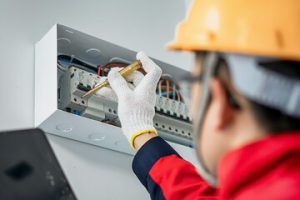
Electrical safety inspections typically begin with a detailed assessment of the main service panel and distribution system. Inspectors evaluate panel capacity, breaker integrity, grounding and bonding systems, and evidence of overheating or corrosion. Thermal imaging is often used to detect hidden hot spots within switchgear and distribution boards. These hot spots may indicate loose terminals, overloaded circuits, or failing components—issues that are not always visible during a basic visual inspection. By using diagnostic tools, inspectors can uncover potential failures before they disrupt operations.
Beyond the main panel, inspectors review branch circuits, wiring methods, and protective devices throughout the property. Commercial buildings often undergo renovations, tenant build-outs, or equipment upgrades that alter original load calculations. If these modifications are not properly documented or permitted, the electrical system may be operating beyond its intended capacity. Inspections ensure that additions comply with current code requirements and that circuits are properly rated for their connected loads.
A comprehensive commercial electrical inspection often includes the following key components:
- Verification of grounding and bonding systems. Proper grounding is essential for safely dissipating fault currents and preventing electrical shock. Inspectors confirm that grounding conductors are intact, securely connected, and compliant with applicable standards.
- Evaluation of overcurrent protection devices. Circuit breakers and fuses must be correctly sized and functional to prevent overheating and short circuits. Inspectors check for mismatched breaker sizes, signs of wear, and unauthorized modifications.
- Assessment of emergency and exit lighting systems. In commercial environments, reliable emergency lighting is critical for safe evacuation during power outages. Inspections confirm that backup systems operate as intended and meet required illumination levels.
- Examination of surge protection and power quality measures. Sensitive commercial equipment may require additional safeguards against voltage fluctuations and transient surges.
Code compliance is not static. Electrical codes are periodically updated to reflect new technologies, improved safety research, and evolving industry practices. Commercial properties constructed decades ago may have been compliant at the time of installation but fall short under current standards. While older systems are not always required to be retroactively upgraded, significant renovations or occupancy changes often trigger mandatory updates. Staying informed about these changes helps property owners plan proactive improvements rather than react to violations.
One of the most significant risks in commercial properties is arc flash. An arc flash occurs when an electrical fault creates a high-temperature plasma arc, capable of causing severe injury, equipment damage, and fire. Facilities with high-voltage switchgear or large distribution systems must implement arc flash risk assessments and labeling. Inspections evaluate protective boundaries, personal protective equipment requirements, and equipment condition. Ensuring compliance with recognized safety practices minimizes risk to maintenance personnel and contractors working near energized components.
Another critical area of focus is load management. Commercial buildings often experience fluctuating demand based on operational hours, seasonal factors, or tenant activities. Overloaded circuits not only increase fire risk but also reduce system efficiency and reliability. During inspections, load calculations are reviewed to verify that service capacity aligns with actual consumption. If demand has outpaced design specifications, upgrades such as panel replacements or additional distribution equipment may be necessary.
Fire prevention is a primary driver behind rigorous electrical inspection protocols. Faulty wiring, deteriorated insulation, and overloaded systems are among the leading causes of electrical fires in commercial properties. Early detection through scheduled inspections significantly reduces this risk. Insurance carriers frequently require documented inspection records as part of underwriting and renewal processes. Demonstrating proactive maintenance can lead to favorable insurance terms and reduced premiums.
Tenant satisfaction is another often-overlooked benefit of maintaining code-compliant electrical systems. In multi-tenant commercial properties, reliable power is fundamental to business continuity. Unexpected outages or equipment failures disrupt operations and erode trust. By investing in routine inspections, property owners signal their commitment to operational excellence and risk management. This proactive stance can strengthen tenant retention and enhance the property’s reputation in competitive markets.
Electrical safety inspections also play a vital role during property transactions. Prospective buyers conduct due diligence to assess infrastructure integrity and potential capital expenditures. A documented history of inspections, corrective actions, and code compliance demonstrates responsible stewardship and reduces uncertainty. Conversely, undiscovered electrical deficiencies can delay closings, reduce property valuation, or require costly remediation before sale.
Modern commercial properties increasingly integrate advanced technologies such as data centers, electric vehicle charging stations, and automated building management systems. These additions introduce new electrical loads and complexities. Inspections ensure that integration is executed safely and that existing infrastructure can accommodate expanded demand. As energy efficiency initiatives become more prevalent, retrofits involving LED lighting, smart controls, and renewable energy systems must also comply with electrical codes and interconnection standards.
Facility managers should establish a structured inspection schedule tailored to the property’s size, age, and operational profile. While annual inspections are common, high-demand facilities may require more frequent evaluations. In addition to scheduled inspections, any major electrical event—such as a short circuit, flooding, or lightning strike—should prompt an immediate review. Timely response prevents secondary damage and restores compliance swiftly.
Documentation is a crucial aspect of code compliance. Inspection reports should detail findings, recommended corrective actions, and timelines for remediation. Maintaining organized records supports regulatory audits and demonstrates accountability. When deficiencies are identified, corrective work should be performed by qualified professionals to ensure that repairs meet applicable standards. Cutting corners during remediation can create compounded risks and additional violations.
It is important to recognize that electrical safety is not solely the responsibility of electricians. Property owners, facility managers, and maintenance teams all play integral roles. Training staff to recognize warning signs—such as unusual odors, buzzing panels, frequent breaker trips, or flickering lights—can prompt early investigation. Clear communication channels between tenants and management further support rapid response to emerging issues.
Ultimately, electrical safety inspections and code compliance represent a long-term investment in stability and resilience. Commercial properties operate within a framework of regulatory oversight, insurance requirements, and market expectations. Failing to prioritize electrical integrity exposes stakeholders to financial loss, operational disruption, and reputational damage. Conversely, a well-maintained, code-compliant electrical system enhances reliability, supports technological growth, and safeguards occupants.
In an increasingly electrified commercial landscape, where energy demands continue to expand and systems grow more interconnected, vigilance is essential. Electrical safety inspections provide the diagnostic insight needed to detect vulnerabilities before they escalate. Code compliance ensures that infrastructure meets recognized standards designed to protect lives and property. Together, these practices form the backbone of responsible commercial property management—protecting investments, ensuring operational continuity, and reinforcing a culture of safety that benefits everyone within the building’s walls.