Building a home is often described as a major investment, but that description does not fully capture what residential construction really means. A house is not simply a collection of walls, rooms, doors, windows, and finishes. It is the physical setting where daily routines unfold, where people gather, rest, work, entertain, and plan for the future. Because of that, successful residential construction should be approached as an exercise in creating a living environment rather than simply completing a building project. Every decision, from the initial layout to the smallest finishing detail, can influence how comfortable, functional, durable, and adaptable the home will be for years to come.
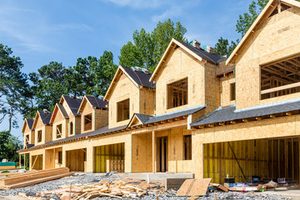
A professional residential construction service plays an important role in turning ideas into a structure that can perform reliably in everyday life. Homeowners may have a general vision of what they want, but transforming that vision into a practical construction plan requires coordination between design, materials, structural requirements, building systems, labor, scheduling, and budget management. The strongest construction projects are rarely defined by appearance alone. They succeed because the finished home makes sense as a whole. Spaces connect naturally, materials perform as intended, systems are accessible for maintenance, and the structure is prepared to handle the demands of everyday living. Uncover more at https://www.gkconstructionsolutions.com/.
Building Around the Way People Actually Live
One of the most important changes in residential construction is the growing emphasis on lifestyle. Homeowners are no longer interested only in how many bedrooms or bathrooms a property contains. They are thinking about how spaces function throughout the day and whether the home can adapt as their needs change. A kitchen may need to accommodate cooking, dining, socializing, and storage. A spare room may serve as an office today and a bedroom or hobby room later. Outdoor areas may become extensions of living spaces, while carefully designed storage can make the difference between a home that feels organized and one that quickly becomes crowded.
This lifestyle-centered approach changes the way a residential construction project should be planned. Instead of beginning with a list of rooms, homeowners can focus on the activities that need to take place in those rooms. Where will people naturally gather? Which areas require privacy? How much storage is genuinely necessary? Where should natural light enter? Which spaces need to remain flexible? These questions can reveal opportunities that a basic floor plan might overlook.
A well-planned residential construction service can help translate these considerations into practical decisions. The objective is not to create the largest possible house but to create a house where available space is used intelligently. A smaller, thoughtfully designed room can often be more useful than a larger room with poor proportions or limited functionality.
The Importance of Getting the Early Decisions Right
Construction projects become increasingly difficult to change once physical work begins. Moving a wall after framing, changing plumbing locations after installation, or modifying electrical layouts after finishes are completed can introduce additional labor, cost, and delays. For that reason, careful planning before construction begins can have an enormous influence on the overall project.
Early planning should address the home’s layout, structural requirements, major building systems, materials, finishes, storage needs, lighting, ventilation, and long-term maintenance. Homeowners should also consider how their current needs could change over time. A home designed only for today’s lifestyle may eventually become inconvenient if there is no flexibility for changing household requirements.
Two planning principles deserve particular attention:
- Plan for function before appearance. Attractive materials and finishes matter, but the layout, circulation, storage, lighting, ventilation, and accessibility of the home determine how well it works every day.
- Plan for the future before construction begins. Future electrical demands, additional storage, changing household needs, accessibility considerations, and potential upgrades can often be addressed more efficiently during the initial construction phase than later.
This does not mean every possible future scenario needs to be anticipated. It simply means homeowners should avoid designing a property that works perfectly for one narrow moment in time but becomes difficult to adapt later.
Quality Construction Is About What You Cannot Always See
A finished home naturally draws attention to its visible features. Flooring, cabinetry, countertops, paint, doors, fixtures, and lighting are easy to notice because they contribute directly to the appearance of the property. However, some of the most important aspects of residential construction remain hidden behind walls, beneath floors, and above ceilings.
Structural framing, insulation, waterproofing, electrical wiring, plumbing, drainage, ventilation, and other building systems all contribute to the home’s performance. Problems with these components may not become obvious until months or years after construction is completed, which is why quality control during the building process is so important.
Professional residential construction is therefore about more than achieving an attractive final appearance. It requires attention to installation practices, material compatibility, sequencing, measurements, connections, and inspections. A visually impressive room cannot compensate for poor water management or inaccessible building systems. Likewise, expensive finishes do not automatically create a high-quality home if the underlying construction has been poorly executed.
The best residential construction projects balance what homeowners see with what they do not see. Visible craftsmanship should be supported by careful work behind the surfaces. This creates a property that not only looks good when completed but also performs reliably under everyday use.
Choosing Materials With More Than Appearance in Mind
Material selection is another area where residential construction decisions can have long-term consequences. Homeowners naturally want materials that match their preferred style, but appearance should not be the only consideration. Every material has characteristics that influence durability, maintenance, moisture resistance, cleaning requirements, repairability, and cost.
For example, a surface that looks beautiful may require more maintenance than a homeowner expects. A particular flooring material may be inappropriate for an area that experiences frequent moisture. A finish may perform differently depending on exposure to sunlight or heavy use. Even hardware and fixtures can vary considerably in durability and ease of replacement.
A good construction process allows homeowners to consider these tradeoffs before materials are purchased and installed. Instead of choosing products individually based only on appearance, it can be more useful to think about how materials will work together throughout the property. The result should feel visually cohesive while also being practical for the people who will live there.
Material selection can also influence the future cost of homeownership. Durable materials may have a higher initial price but require fewer repairs or replacements. Easy-to-maintain surfaces may save time and effort over many years. In this way, residential construction is not simply about controlling the initial construction budget. It is also about making decisions that influence the property’s long-term operating and maintenance costs.
Managing the Construction Process Without Losing Sight of the Goal
A home construction project involves many moving parts. Contractors, tradespeople, suppliers, designers, inspectors, and homeowners may all contribute to different stages of the process. Without clear communication, even a well-designed project can experience misunderstandings or unnecessary delays.
Communication should continue throughout construction rather than stopping once the plans are approved. Homeowners should understand what stage the project is in, what decisions are approaching, whether materials are available, and whether changes have affected the schedule or budget. When questions arise, resolving them early is generally preferable to allowing uncertainty to continue until the work has progressed further.
This is one reason working with an experienced residential construction service can make such a difference. Construction management is not simply about coordinating workers. It also involves understanding how one decision affects another. A change in one area may influence electrical work, plumbing, cabinetry, flooring, or finishing schedules. Good coordination helps reduce unnecessary conflicts and keeps the overall project moving toward the intended result.
The Role of Budgeting in Better Construction Decisions
Budgeting is often one of the most stressful parts of building a home because homeowners are balancing aspirations with financial limitations. A realistic construction budget should account for more than the basic cost of materials and labor. Depending on the project, there may also be design costs, permits, site preparation, utility requirements, inspections, equipment, finishing work, and changes that occur during construction.
The goal should not simply be to spend as little as possible. Excessive cost-cutting can create problems when it involves structural quality, waterproofing, electrical systems, plumbing, insulation, or other essential components. A better approach is to distinguish between elements that are fundamental to the home’s performance and areas where design preferences can be adjusted.
Homeowners can often protect their budget by prioritizing decisions. Some features may be essential, while others can be upgraded later. Certain finishes can be selected for value and durability without sacrificing the overall appearance of the home. Having these priorities established early makes it easier to respond when unexpected costs arise.
A professional construction team can also help identify where spending is likely to produce meaningful long-term value. The cheapest option is not necessarily the least expensive option over the life of the home, particularly when premature repairs or replacements are involved.
Designing for Comfort and Efficiency
Modern residential construction increasingly considers comfort as a combination of several building characteristics rather than a single feature. Natural lighting, ventilation, insulation, window placement, shading, room orientation, and efficient building systems can all influence how a home feels throughout the day.
Good design can reduce dependence on mechanical systems in certain circumstances by taking advantage of natural airflow and daylight. Appropriate insulation can help maintain more stable interior conditions. Thoughtful window placement can improve illumination while also requiring attention to heat gain and glare. Efficient fixtures and appliances can reduce resource consumption without making the home less comfortable.
These choices should be considered as part of the overall construction strategy rather than added as isolated upgrades at the end. When comfort and efficiency are incorporated into the design from the beginning, the home can be planned around them rather than forcing them into an existing structure.
Construction Quality Protects the Future of the Property
A newly constructed home represents a substantial investment, but its value is not determined solely by the price of the property or the quality of its finishes. Construction quality influences maintenance requirements, durability, future remodeling options, energy performance, and the overall experience of living in the home.
Good construction can also make future improvements easier. Accessible systems, logical layouts, sufficient electrical capacity, practical plumbing arrangements, and flexible spaces can provide homeowners with more options when their needs change. A home that has been thoughtfully constructed does not have to remain frozen in its original configuration.
This is particularly important because residential properties often evolve. Families change, work arrangements change, technology changes, and priorities change. A house that can accommodate those shifts without requiring major structural alterations can remain useful for much longer.
Creating a Home Instead of Just Completing a Project
Residential construction service is ultimately about more than completing a set of drawings or reaching the end of a construction schedule. It is about creating a physical environment that supports everyday life. The strongest projects combine planning, craftsmanship, communication, material knowledge, structural quality, and attention to the homeowner’s actual needs.
A successful home should feel natural to use. Doors should open where they make sense, storage should be available where it is needed, rooms should connect logically, lighting should support different activities, and essential systems should operate quietly in the background. These qualities may not always appear in photographs, but they are what homeowners experience every day.
That is why the best residential construction decisions are rarely about following the latest design trend. Trends can influence colors, layouts, fixtures, and finishes, but a well-built home should remain useful even as styles change. Function, durability, adaptability, and thoughtful craftsmanship have a much longer lifespan than any particular aesthetic.
In the end, residential construction is an opportunity to create a home that reflects how people actually want to live. With careful planning and a focus on long-term performance, the construction process can produce more than a visually appealing structure. It can create a comfortable, durable, adaptable environment that continues to serve its occupants long after the tools have been packed away and the final construction task has been completed. That is the real value of quality residential construction service: building a home that works not only on completion day, but for the many ordinary days that follow.